Explore Greenland: The ultimate travel guide for adventurers
Greenland is the largest island in the world and measures 2,670 kilometres from south to north.
Greenland is no longer just a white spot on the map. It is the final frontier of adventure tourism. Massive icebergs, dancing Northern Lights, and a vibrant Inuit culture make it a bucket-list destination.
For many travellers, Greenland feels like a distant planet.
Whether you are looking to disconnect from the digital world, witness the effects of climate change firsthand, or simply stand in awe of nature’s grandeur, this guide covers everything you need to know.
From flight routes to the best time to see the Midnight Sun, here is your essential guide to visiting Greenland.
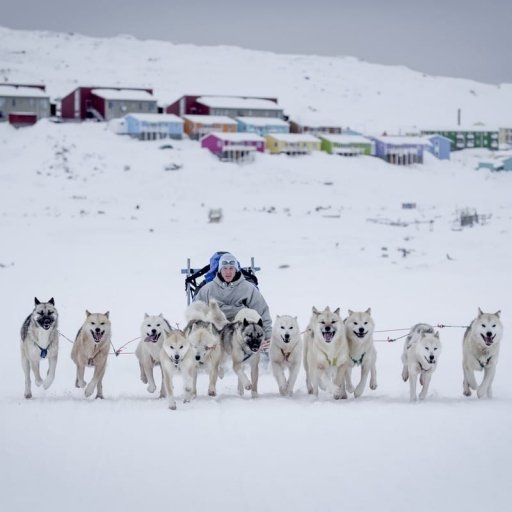
This island is a great adventure destination for dog sledging, whale watching, hiking, and snowmobiling, among other activities.
Greenland is the biggest country in the Nordic region.
When is the best time to visit?
Greenland offers two completely different experiences depending on the season.
Summer (June – August): The Season of Light
This is the peak season. The temperatures are milder (40°F to 60°F / 5°C to 15°C), and the sun practically never sets.
-
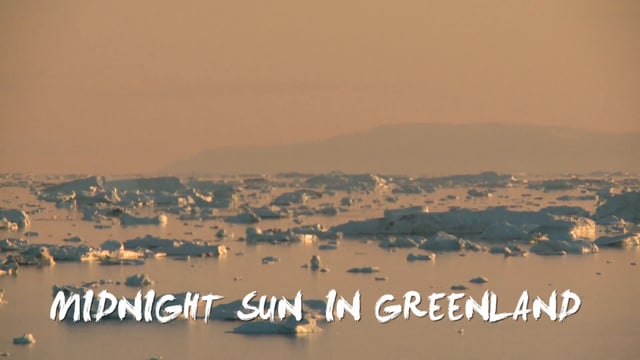
The Midnight Sun: North of the Arctic Circle, you get 24 hours of daylight. It gives you unlimited time to hike, sail, and explore.
-
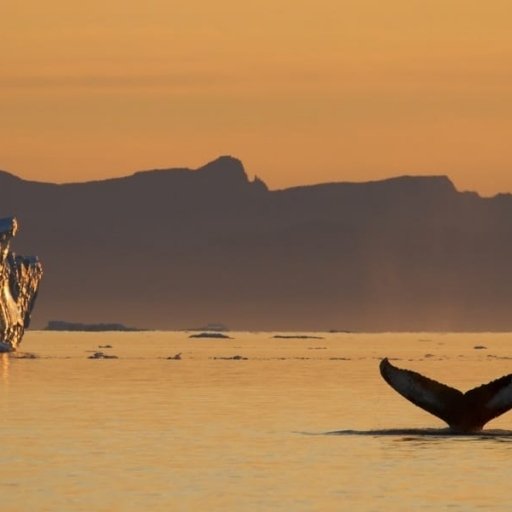
Whale Watching: This is the best time to see Humpback, Minke, and Fin whales playing in the fjords.
-
Hiking: The snow has melted, revealing lush green valleys against the backdrop of ice.
Check our detailed guide on Sunrise and Sunset times in Greenland here to plan your days
Winter (September – April): The Season of Ice
For the true adventurer. The landscape freezes over, and the dark sky becomes a canvas.
-
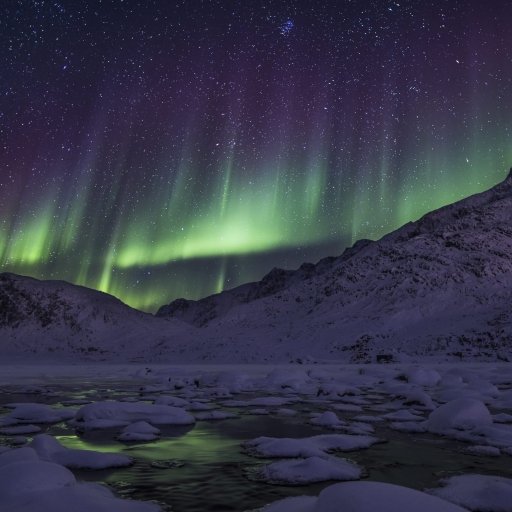
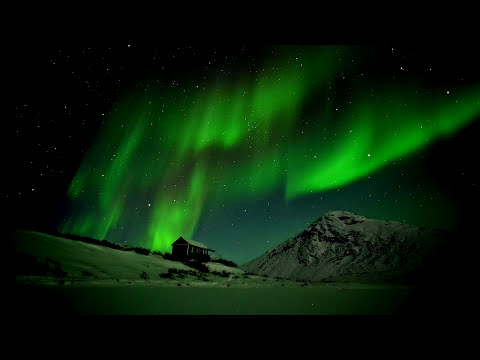
Northern Lights (Aurora Borealis): Greenland is one of the best places on Earth to see the lights. Kangerlussuaq is known for having 300+ days of clear sky per year. (Want to capture the magic? Read our guide: How to take photos of Northern Lights with your iPhone & Samsung)
-
Dog Sledding: Experience the traditional Inuit way of travel. It’s not just a tourist ride; it’s a way of life here.
Top 4 destinations you cannot miss
1. Ilulissat: The city of Icebergs
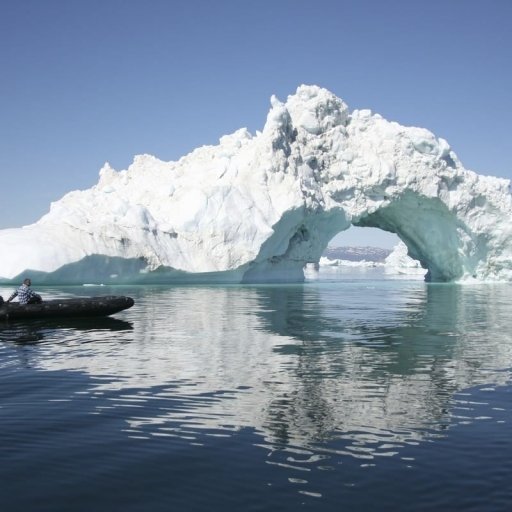
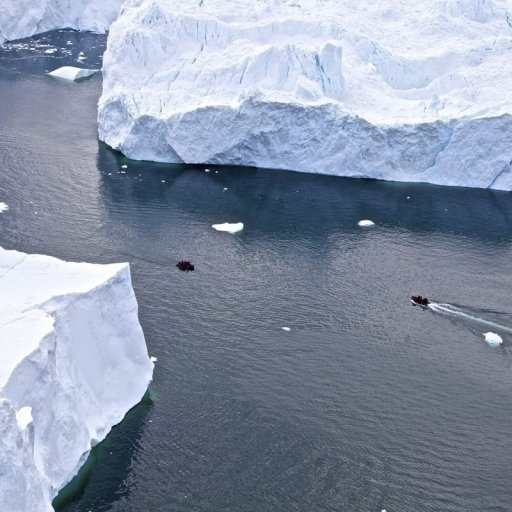
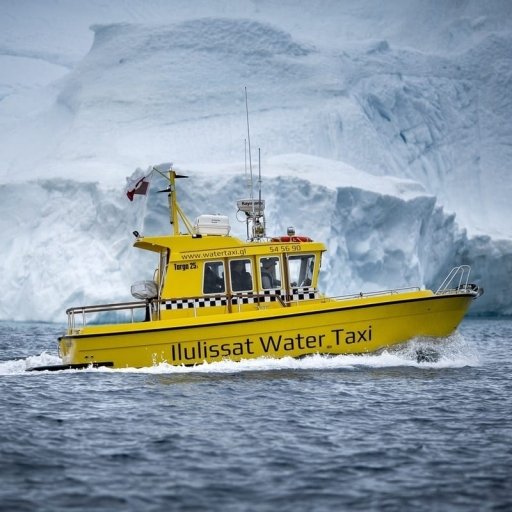
If you only visit one place, make it Ilulissat. Located 150 miles north of the Arctic Circle, it is home to the Ilulissat Icefjord, a UNESCO World Heritage Site.
-
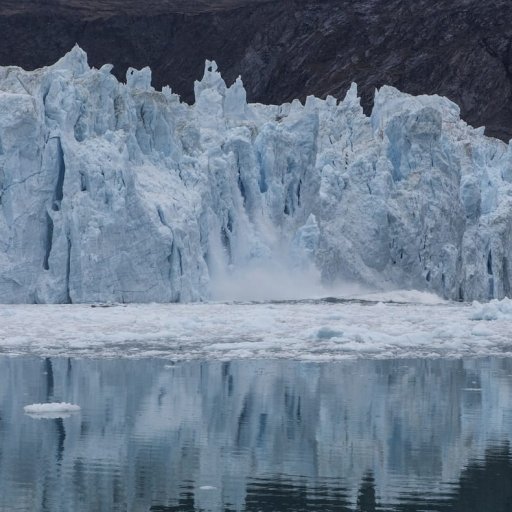
The Experience: The Sermeq Kujalleq glacier calves massive icebergs—some as tall as skyscrapers—into the fjord. You can hike along the wooden boardwalk to the water's edge or take a sunset boat tour to sail among the giants. The sound of the ice cracking is something you will never forget.
2. Nuuk: The cool Capital
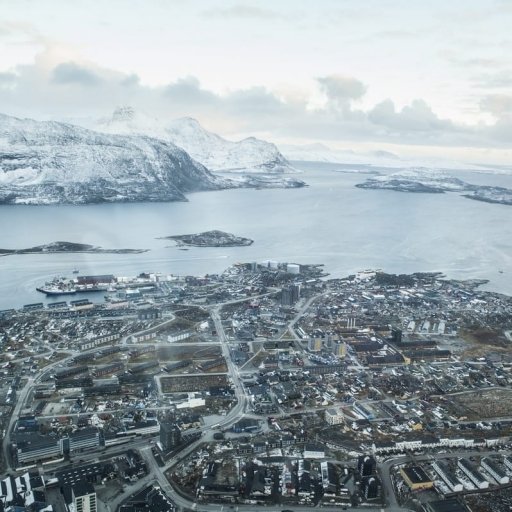
Nuuk is one of the smallest capital cities in the world, but it punches above its weight. It’s a funky blend of old colonial harbor charm and modern Nordic architecture.
-
The Experience: Visit the National Museum to see the famous Qilakitsoq mummies (500-year-old well-preserved mummies). Enjoy gourmet dining with local ingredients like musk ox and reindeer at restaurants like Sarfalik.
3. Kangerlussuaq: The Gateway to the Ice Sheet
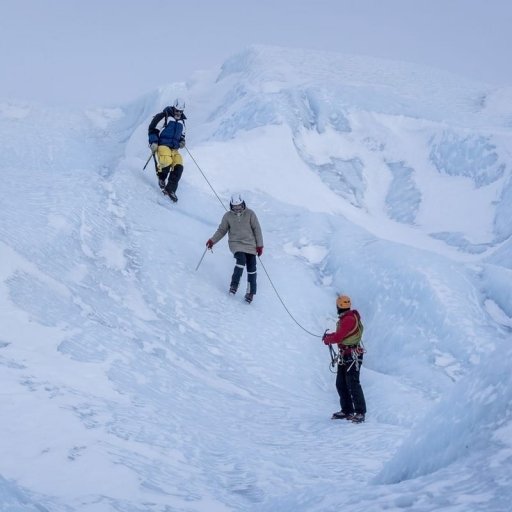
Most flights land here, but don't just stay in the airport. Kangerlussuaq is the only place where you can drive directly onto the massive Greenland Ice Sheet.
-
The Experience: Take a 4x4 tour to "Point 660" and walk on the ice cap that covers 80% of the country. Keep your eyes peeled for herds of Musk Oxen that roam the tundra nearby.
4. South Greenland: Viking History
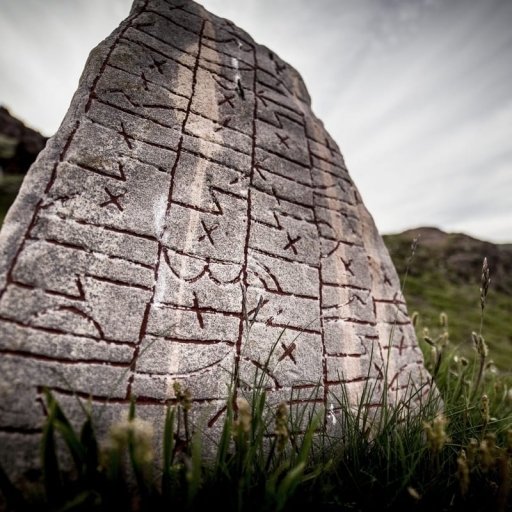
This region is surprisingly green and fertile. It is where Eric the Red settled after being exiled from Iceland.
-
The Experience: Visit the ruins of Hvalsey Church and the settlement of Qassiarsuk to walk in the footsteps of the Vikings. It’s a perfect mix of history and hiking.
Culture & etiquette: Good to know
Greenlandic culture is warm and welcoming, but understanding the basics goes a long way.
-
The People: The population is primarily Inuit (Kalaallit). They have a deep connection to nature and a strong hunting tradition.
-
Language: The official language is Greenlandic (Kalaallisut). Danish is the second language. English is widely spoken in the tourism industry and by younger generations, so US travellers will get by easily.
-
Currency: Greenland uses the Danish Krone (DKK). Credit cards are accepted almost everywhere in towns, but bring cash for small settlements.
-
Connectivity: Wi-Fi is available in hotels and cafes, but it can be expensive and slower than in the US. Consider it a digital detox.
Getting there from the USA
This is the most common question for US travelers. The logistics are simpler than you think.
United Airlines
Big News for 2025/2026: United Airlines offers direct flights between Newark (EWR) and Nuuk (GOH) from 2025. The route will operate twice a week and provide easy access from the United States to Greenland's capital.
Other flight routes:
-
Via Iceland (Most Popular): Fly from NYC, Boston, or Seattle to Reykjavik (KEF). From there, Icelandair and Air Greenland offer frequent flights to Nuuk, Ilulissat, and Kulusuk.
-
Via Denmark: Fly to Copenhagen (CPH) and take a direct Air Greenland flight to Kangerlussuaq or Nuuk.
FAQ: Common questions
Is Greenland expensive?
Yes. Due to its remote location, almost everything has to be imported by ship or plane. Expect prices similar to (or slightly higher than) New York City or Iceland.
Is it safe to visit?
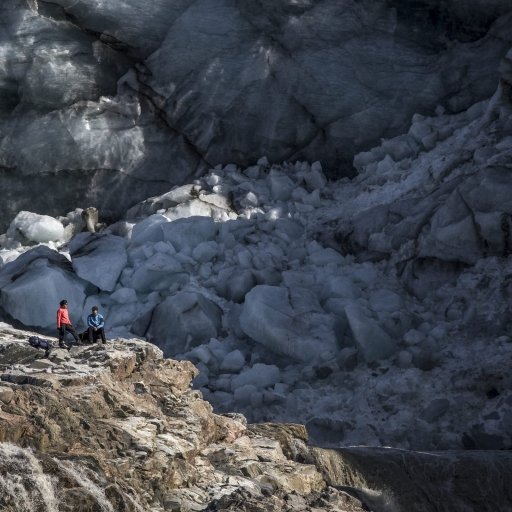
Greenland is extremely safe regarding crime; the rates are very low. The main danger is nature. The weather changes instantly, and the terrain is rugged. Always listen to local guides and never venture onto glaciers alone.
Do I need a Visa as an American?
US citizens do not need a visa for stays of up to 90 days for tourism. However, you must have a valid passport.
Note that Greenland is not part of the Schengen area, even though it is part of the Kingdom of Denmark.
What should I pack?
Layers, layers, layers. Even in summer, the wind can be cold. Bring a windproof/waterproof jacket, sturdy hiking boots, and a wool base layer. In winter, you need certified arctic gear (often provided by tour operators).
Why Greenland should be your next trip
Greenland is not a destination for the average tourist. It is for the traveller who seeks perspective. Standing in front of a 100-meter-tall iceberg or watching the Northern Lights dance over a silence so deep you can hear your own heartbeat changes you.
Are you ready to plan your Arctic adventure? Start by checking our guides on capturing the Northern Lights or finding the perfect time of year to visit.
History: A Viking discovered Greenland
The Viking Erik the Red was the first to discover the biggest island in the world and chose the name "Greenland" to entice settlers from Iceland, according to the Icelandic Sagas.
Greenland has far more ice cover than Iceland, as about 80% of its surface is covered by the Ice Cap, but in the ice-free regions, it is possible to hike, ride a dogsled, get close to glaciers or sail the fjords. All transportation between towns in Greenland happens by air and sea because no towns are connected by roads.
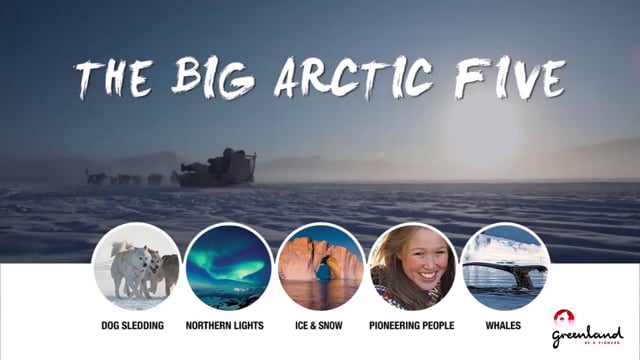
Greenland is today famous for "The Big Arctic Five," which includes dog sledging, the magic Northern Lights, the fascinating whales and the people of Greenland.
The most popular towns in Greenland are Kangerlussuaq, Illilusat, Nuuk and Sisimut
Dog sledging, Midnight Sun and the Northern Lights
In the northern part of Greenland, in the Ilulissat Icefjord, there are some of the world`s giant icebergs and some of the world`s fastest glaciers. The Ilulissat fjord is a UNESCO World Heritage attraction. Most tourists also visit Disco Bay, Ilulissat and the Egg glacier in North Greenland.
Western Greenland, also known as Central Greenland
This area stretches from Sisimiut and Kangerlussuaq in the north to Nuuk, the capital of Greenland, in the south. Most tourists will arrive in Kangerlussuaq because Greenland has an international airport.
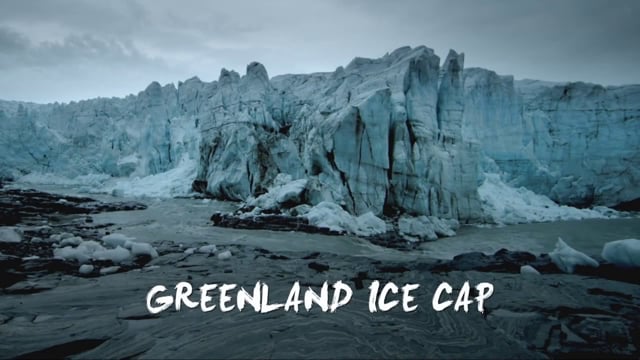
From here, you can go to other destinations in Greenland, but you should stay some days in Kangerlussuaq because it offers the best access to the Ice Cap.
Visit the Ice Cap at Kangerlussuaq
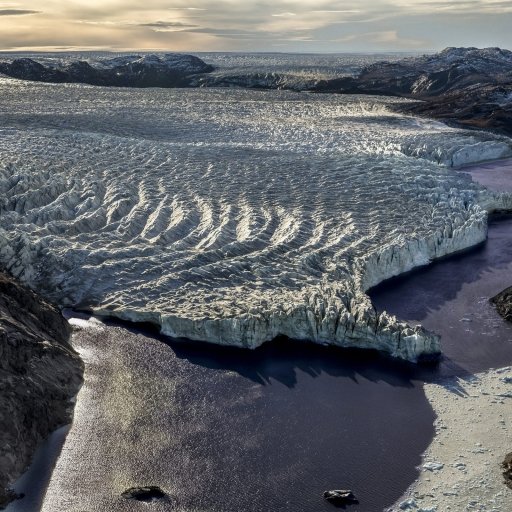
The Ice Cap is visible in almost all towns. In Kangerlussuaq, an old U.S. Air Force base until 1992, you find the 25 km dirt road to the Ice Cap in Greenland. A magnificent sight is also to watch the glacier edge calve into the sea.
Warm springs in South Greenland
The southern part of Greenland is green, with rugged rocks, and in the summertime, the area is very colourful, with many flowers, and perfect for hiking many trails.
The country got its name because the Viking Eric the Red chose to drop anchor here from his tour from Iceland and was so impressed by the green meadows he saw all over the area.
Southern Greenland differs from the north with its rugged rocks, warm springs, and green meadows. This place is extravagantly colourful in summer, and although there are no dogsleds here, Southern Greenland offers many other types of experiences.
Here, you will find smaller icebergs in blue and white nuances that have floated down from the north, loads of sheep and excellent hiking trails.
Moreover, this was where Erik the Red chose to drop the anchor because he was so impressed by the green hillsides he saw all over the area, and this was also good "branding" to attract more people from Iceland many years ago.
Whales in the West and North Greenland
Up to 15 species of whales visit the sea around Greenland, but the most common are the fin whale, humpback whale, and minke whale. Thousands of humpback whales choose West Greenland waters near Paamiut, Maniitsoq, and Aasiaat to play in for a few months in the summer. The whales swim from the Caribbean Sea to feed in Greenland in the summer.
In winter, it is only possible to see whales in North Greenland around Disko Bay and Qaanaaq or in Northeast Greenland. Here, there are only three different species: the Narwhal, the Beluga and the Bowhead whale.