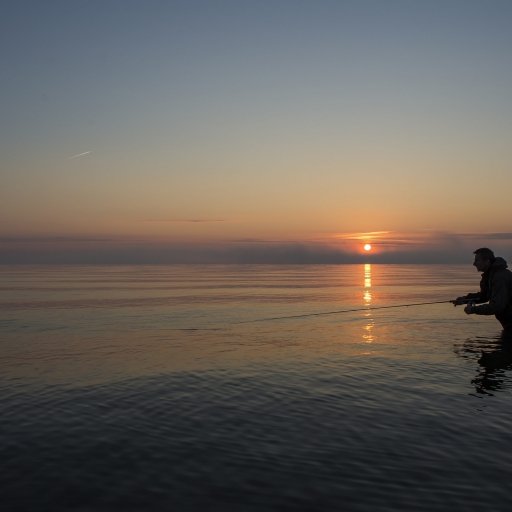
When you go to Denmark we recommend you to visit Skagen and the Skagen Odde peninsula (Grenen), Denmark`s northernmost town and beach.
The Skagen Peninsula, located at the very tip of the Vendsyssel peninsula in Northern Jutland, is Denmark's northernmost and most unique natural area. It's famous for its dramatic landscape, the exceptional light, and the two seas that meet at its tip.
This article provides a comprehensive overview of the Skagen Peninsula's geography, history, art, and popular attractions.
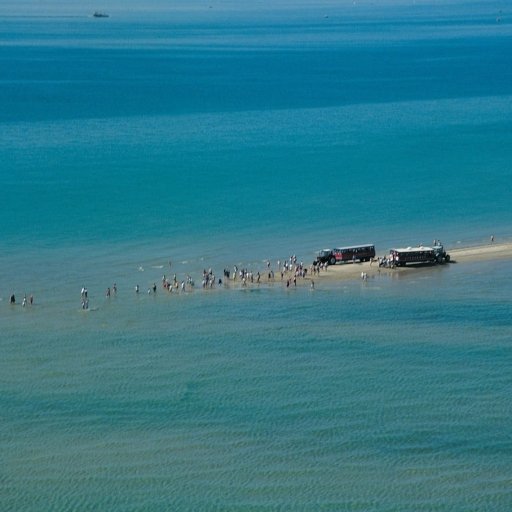
It is a unique chance to experience the beautiful, rugged nature. If you don`t wish to walk, you can take the local transportation, the "Sand Worm" from Skagen to the peninsula.
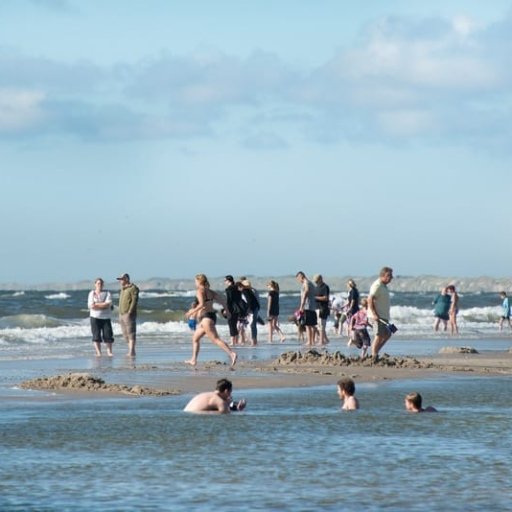
At Grenen, the North Sea and the Baltic Sea (Kattegat) meet, and it is possible to see the clear dividing line between them here because of their different densities.
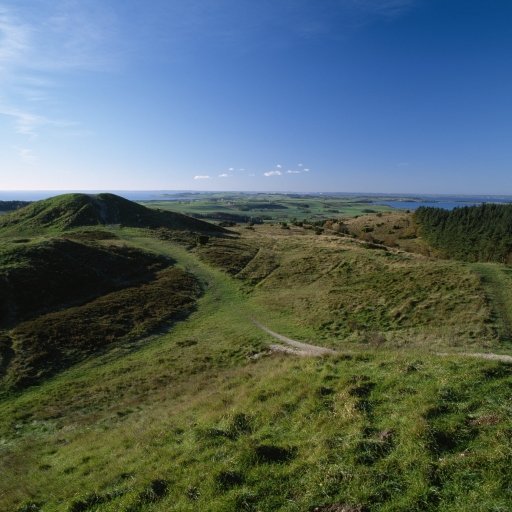
The Skagen Peninsula is part of the larger Jutland Peninsula. It was formed by millennia of sand migration and sea currents, which constantly transport sand northward from the west coast of Jutland. This geological phenomenon has created a landscape that is in constant flux, with migrating dunes and the famous sand spit of Grenen.
Grenen
This is the Skagen Peninsula's most famous feature, where the two seas, the Kattegat and the Skagerrak, meet. The counter-current waves that collide at the very tip are clearly visible, but swimming is forbidden due to the powerful undertows.
Skagen has a rich history dating back to the Middle Ages, when it was a vital fishing village. Its geographical location made it a central hub for fishing and shipping, but also a dangerous coastline with many shipwrecks.
The Artists' Colony: In the late 19th century, Skagen gained international fame due to a group of artists known as the Skagen Painters. Led by figures such as P.S. Krøyer, Michael Ancher, and Anna Ancher, they were drawn to the unique, clear light and the authentic natural environment.
Their paintings captured the life, landscapes, and people of Skagen, turning the peninsula into a symbol of Nordic art and culture.
The Skagen Peninsula is more than just a geographical location; it is a living testament to the interplay between nature, history, and culture. It offers a unique experience that appeals to both nature lovers and art enthusiasts.
Skagen Museum: The Skagen Museum houses an impressive collection of the Skagen Painters' works and is an essential part of any visit to the area.
The Ancher House: The former home of Anna and Michael Ancher has been preserved as it was during their time there, offering a unique glimpse into their lives and artistic environment.
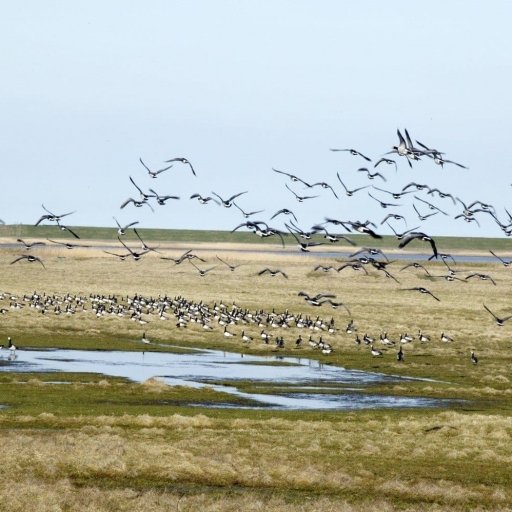
Det Grå Fyr (The Grey Lighthouse): Skagen Lighthouse is Denmark’s second-tallest lighthouse. It also functions as a bird-watching center, as Skagen is an essential stopover for migrating birds.
Skagen Harbour: The active harbour is a hub of life, featuring seafood restaurants, shops, and a lively atmosphere.
Another remarkable geographical formation is Råbjerg Mile, Denmark’s largest migrating dune. It covers an area of over 2 square kilometres and moves approximately 15 meters annually. The dune is a living testament to the geological forces that have shaped the peninsula.
The Church of Saint Lawrence, originally built in the late 14th century, bears witness to the peninsula’s battle against the sand. Throughout the 18th century, it was gradually swallowed by the shifting sands and had to be closed in 1795. Today, only the church tower is visible, standing as a monument to nature’s overwhelming power.
The peninsula is ideal for hiking and cycling. There are many marked trails through the dune landscapes, offering breathtaking views.
In the town of Skagen, you will find a few hundred meters from Grenen, offering a perfect combination for visiting some of the historical sites around the town, especially the museum, which showcases the famous works of the Skagen painters. The Skagen painters were artists who visited Skagen from 1870 to 1900.
See more: Our guide to North Jutland
Find routes to this destination.